


-

Add: HeBei ShengShi HongBang Cellulose Technology CO.,LTD.
-

Email
13180486930@163.com -

CONTACT US
+86 13180486930
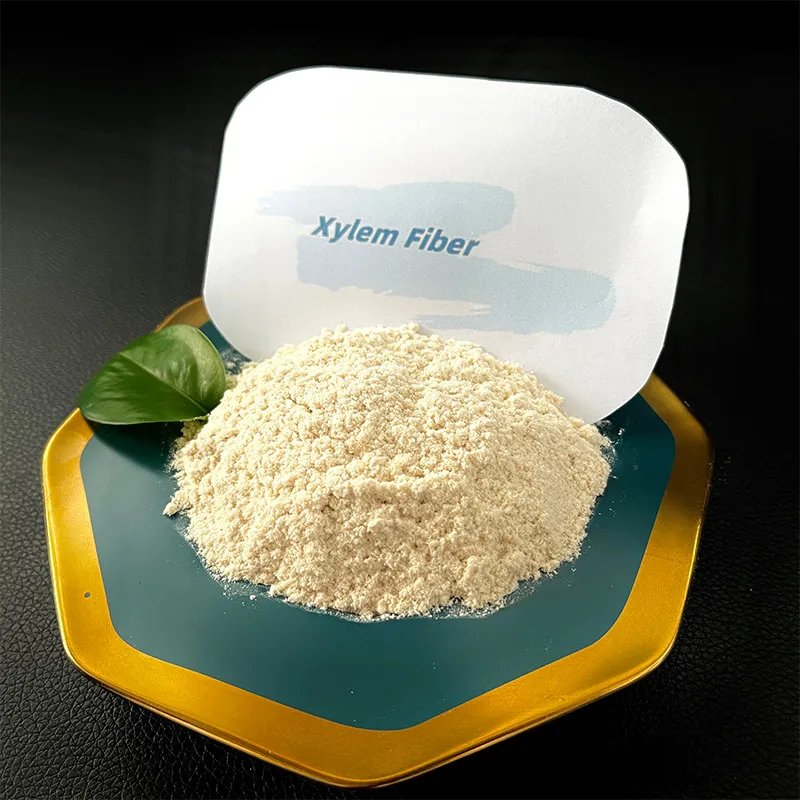
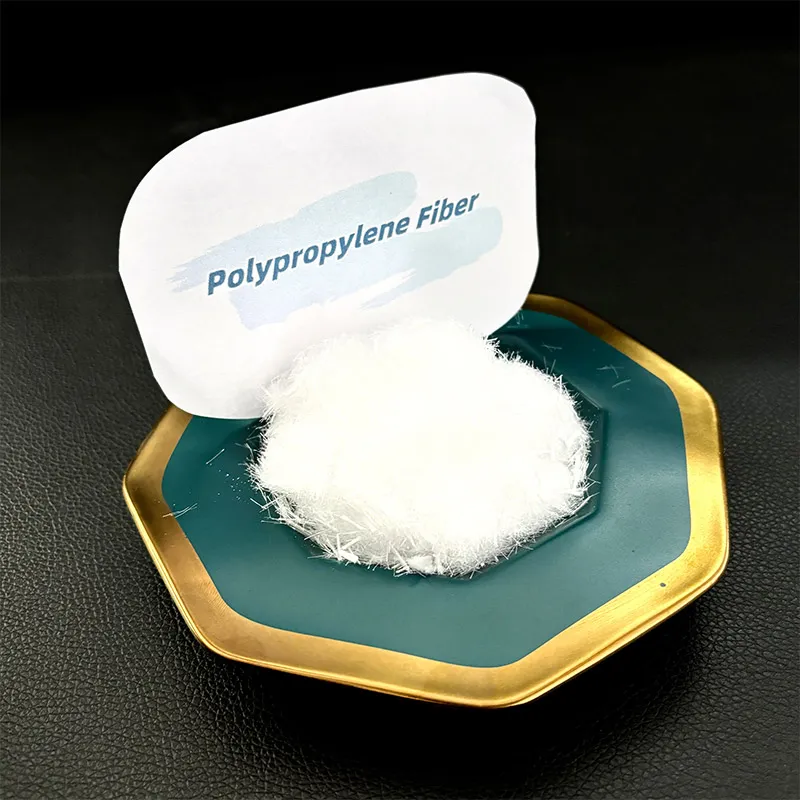

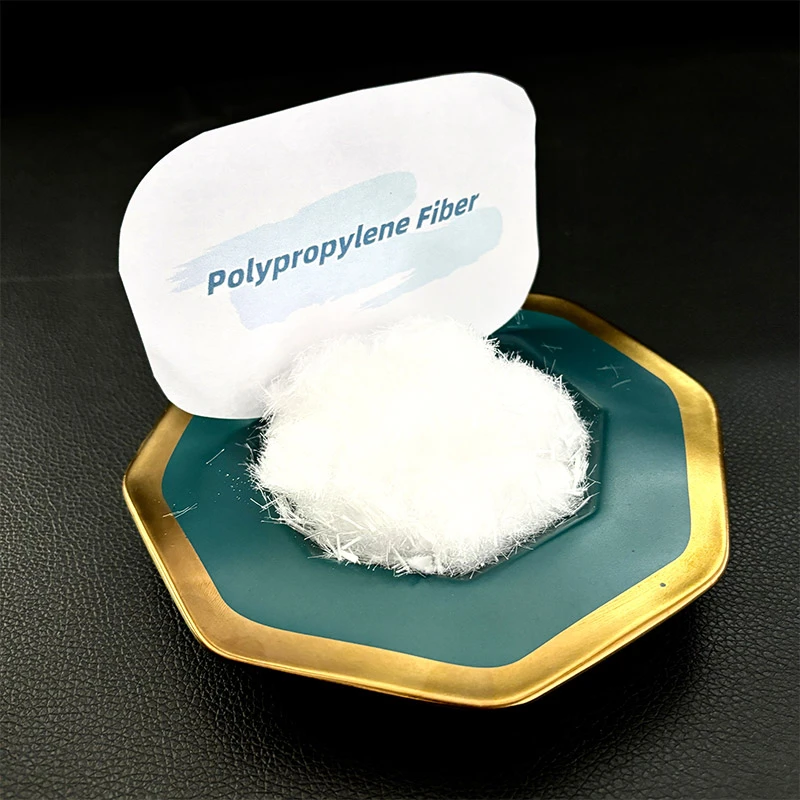


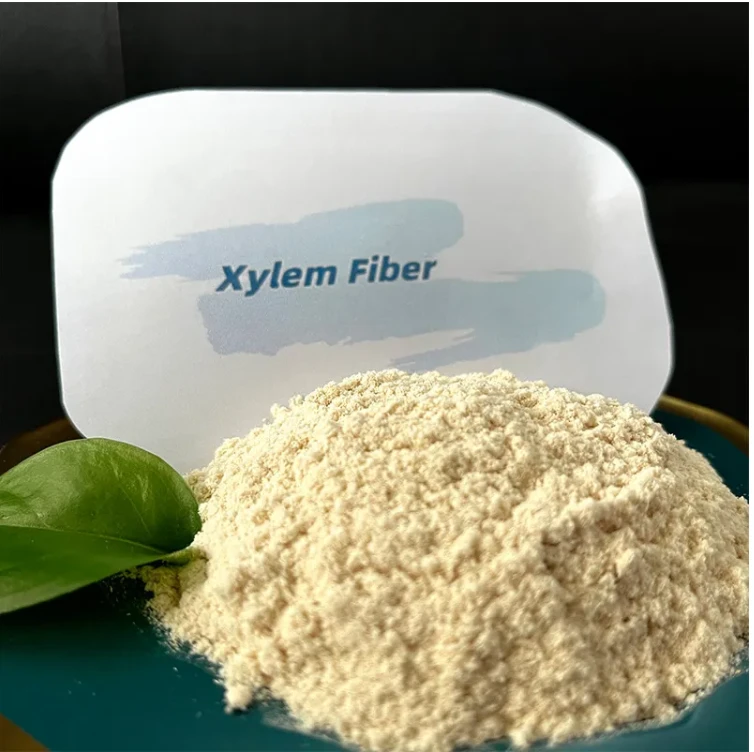
wood cellulose,xylem fiber,fibre made from wood pulp,cellulose extraction from wood,cellulose wood fibers is a key solution in the manufacturing industry, specifically within Paper and paper products industry and Pulp manufacturing. This article explores how HeBei ShengShi HongBang Cellulose Technology CO.,LTD. supports professionals with durable, high-performance products, and explains why this product is an ideal choice for businesses in these sectors. Table of Contents wood cellulose,xylem fiber,fibre made from wood pulp,cellulose extraction from wood,cellulose wood fibers Overview Benefits & Use Cases of wood cellulose,xylem fiber,fibre made from wood pulp,cellulose extraction from wood,cellulose wood fibers in Pulp manufacturing Cost, Maintenance & User Experience Sustainability & Market Trends in manufacturing Conclusion on wood cellulose,xylem fiber,fibre made from wood pulp,cellulose extraction from wood,cellulose wood fibers from HeBei ShengShi HongBang Cellulose Technology CO.,LTD. wood cellulose,xylem fiber,fibre made from wood pulp,cellulose extraction from wood,cellulose wood fibers Overview In pulp manufacturing, wood cellulose—often described as xylem fiber or cellulose wood fibers—forms the backbone of paper strength, formation, and runnability. As a fibre made from wood pulp, it is derived through controlled cellulose extraction from wood, typically via kraft or sulfite pulping, followed by mechanical refining, classification, and optional surface modification. The result is a clean, consistent fiber matrix engineered to optimize dry and wet strength, drainage, and filler retention across a wide range of grades. HeBei ShengShi HongBang Cellulose Technology CO.,LTD. supplies high-purity wood cellulose designed for industrial reliability and reproducibility. Typical technical parameters can include low ash content, neutral pH, controlled moisture, and tightly managed fiber length distribution to balance bonding with drainage. Many customers specify tailored properties—such as targeted freeness, fibrillation level, or brightness—to suit tissue, printing/writing, specialty, and packaging applications. For B2B decision makers, the relevance is clear: properly specified xylem fiber stabilizes wet-end chemistry, improves machine productivity, and reduces variability in downstream converting. Paired with application support from HeBei ShengShi HongBang Cellulose Technology CO.,LTD., mills can translate material performance into measurable operational gains and predictable product quality. Benefits & Use Cases of wood cellulose,xylem fiber,fibre made from wood pulp,cellulose extraction from wood,cellulose wood fibers in Pulp manufacturing Across pulp and paper operations, precision-engineered wood cellulose and xylem fiber deliver a portfolio of benefits. At the wet end, optimized fibrillation increases bonding potential, elevating tensile, SCT, and burst without excessive fines generation. These cellulose wood fibers also improve drainage and dewatering, supporting higher machine speeds and reduced steam demand in drying. In filled systems, they enhance filler retention and sheet formation, often enabling higher ash targets without compromising strength. Use cases include strength enhancement in recycled-fiber packaging, softness-to-strength balancing in tissue and towel, dimensional stability in printing/writing papers, and functional performance in specialty grades (from filtration papers to battery separators). When combined with starch, AKD/ASA, or synthetic latex systems, a fibre made from wood pulp can unlock synergistic strength and sizing performance. HeBei ShengShi HongBang Cellulose Technology CO.,LTD. brings process know-how that spans raw material selection, cellulose extraction from wood, and finishing operations that control fiber morphology. This expertise helps mills match fiber specifications to grade targets, seasonality, and furnish composition—minimizing trial time and accelerating ROI. Technical teams can advise on dosage windows, dispersion protocols, and compatibility with existing retention and wet-strength chemistries. Cost, Maintenance & User Experience Total cost of ownership for wood cellulose in pulp manufacturing hinges on more than price-per-ton. Mills evaluate the impact on chemical consumption, steam and power usage, machine runnability, and waste reduction. Consistent xylem fiber quality can reduce sheet breaks, stabilize basis weight, and increase first-pass retention—value drivers that translate into lower cost-per-ton of saleable paper. Operationally, modern cellulose wood fibers from HeBei ShengShi HongBang Cellulose Technology CO.,LTD. are engineered for easy handling. They are supplied in flow-friendly packaging with good dispersibility, reducing make-down time and minimizing equipment fouling. Customers in the Paper and paper products industry report smoother startups, predictable refiners’ energy profiles, and improved wet-end stability when switching to a fibre made from wood pulp with tighter spec control. From a user-experience standpoint, the combination of application support and reliable supply shortens trial cycles and limits unplanned downtime. The net effect is stronger, more uniform paper at equal or lower overall cost, plus the flexibility to pursue higher filler strategies or lighter basis weights—both proven pathways to enhanced ROI. Sustainability & Market Trends in manufacturing With demand growing for renewable, recyclable materials, wood cellulose is central to the industry’s decarbonization and circularity strategies. Derived from responsibly managed forests, xylem fiber aligns with market and regulatory expectations for bio-based content and improved end-of-life outcomes. As single-use plastics face increasing scrutiny, cellulose wood fibers enable new fiber-based packaging formats and barrier solutions without compromising performance. Regulatory momentum—from extended producer responsibility to evolving packaging directives—favors materials sourced through transparent cellulose extraction from wood. Mills increasingly seek suppliers who can support traceability, resource efficiency, and reduced environmental footprint. HeBei ShengShi HongBang Cellulose Technology CO.,LTD. invests in process improvements that target energy and water efficiency while prioritizing quality consistency. The company’s forward-thinking approach helps customers meet internal ESG targets and external compliance requirements. Market trends also point to premium growth in specialty papers, tissue, and lightweight packaging. By pairing application expertise with tailored fiber morphology, HeBei ShengShi HongBang Cellulose Technology CO.,LTD. helps producers innovate faster, reduce risk, and bring sustainable products to market at scale. Conclusion on wood cellulose,xylem fiber,fibre made from wood pulp,cellulose extraction from wood,cellulose wood fibers from HeBei ShengShi HongBang Cellulose Technology CO.,LTD. For pulp manufacturing leaders, wood cellulose—delivered as xylem fiber and other cellulose wood fibers—provides a proven route to higher strength, better runnability, and improved sustainability. With deep know-how in cellulose extraction from wood and precise control of fiber properties, HeBei ShengShi HongBang Cellulose Technology CO.,LTD. is a dependable partner for performance and value. Explore how a fibre made from wood pulp can unlock your next efficiency gain or product innovation. Contact us: email: 13180486930@163.com Visit our website: https://www.sshbhpmc.com
- 40000tons

Production
- 20+years

Experience
- 5000+㎡

Acreage

-

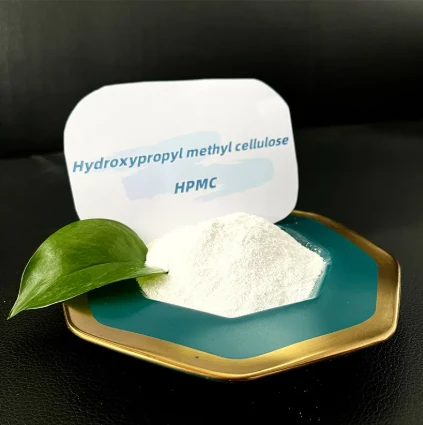
hpmc(Hydroxypropyl methylcellulose, 하이드록시프로필 메틸셀룰로오스)은 다양한 산업 분야에서 활용되는 다기능 첨가제다. hpmc의 화학식은 C56H108O30으로, 이는 셀룰로오스로부터 유래된 천연 고분자 화합물이다. 이 화합물은 특히 건축, 약품, 화장품 등의 분야에서 그 가치를 인정받고 있다. 첫째로, hpmc는 건축 산업에서 일반적으로 사용된다. 시멘트와 석고의 양생을 개선하고, 혼합물의 작업성을 높이는 데 기여한다. 건축 자재에 첨가될 경우, hpmc는 수분 증발을 방지하고, 접착 강도를 향상시켜 구조물의 내구성을 높인다. 이런 기능적 이점 덕분에 hpmc는 전 세계적으로 건축 산업에서 중요한 첨가제로 자리 잡고 있다. 의약품 산업에서도 hpmc의 중요성은 무시할 수 없다 . hpmc는 약물의 제제를 위한 캡슐 또는 정제의 형성을 지원하는데, 이는 약물의 붕괴 시간을 조절하고, 특정 환경에서 약물 방출을 조절하는 데 도움이 된다. 또한, hpmc는 비활성 물질이기 때문에 인체에 안전하며, 여러 제형에서 그 응용 가능성이 높다. 화장품에서는 hpmc가 다양한 기능을 수행한다. 점증제 및 안정제로서의 역할을 하여, 제품의 질감을 개선하고, 사용자의 피부에 부드러운 느낌을 전달한다. 크림, 로션, 젤과 같은 제품에서 사용될 때, hpmc는 제품의 첨가제를 균일하게 분산시켜 제품의 효능을 증가시킨다. 특히, hpmc는 수성 및 유성 혼합 제품에서 안정화제로서의 탁월한 성능을 발휘한다. hpmc 화학식 이처럼 hpmc는 다양한 산업에서 그 활용도가 높으며, 이는 과학적 연구와 장기간의 산업적 경험에 의해 뒷받침되고 있다. 각 산업 분야에서의 응용 사례는 hpmc의 효율성과 신뢰성을 입증하며, 이로 인해 hpmc는 각종 제품의 품질을 향상시키는 주요 요소로 자리매김하고 있다. 전문가들은 hpmc의 고분자 구조가 갖는 독특한 물리화학적 특성이 이와 같은 다기능성을 제공한다고 분석한다. 수용성과 점성을 조절할 수 있는 특성 덕분에, hpmc는 다양한 환경과 조건에서 효과적으로 작용할 수 있다. 특히 환경적으로도 안전하며, 식물을 원료로 하기 때문에 재생 가능하고 친환경적이다. 이런 특성들은 현대 산업에서 점점 더 중요해지는 지속 가능성의 요구를 충족시킨다. hpmc는 이렇게 여러 가지 금, 은, 동 등 귀금속 등의 바인더 역할도 가능하며, 이는 재료 산업에서도 큰 가치를 제공한다. 결론적으로, hpmc는 다양한 산업에서 없어서는 안 될 필수적인 구성 요소로 자리 잡고 있다. 과학적 연구와 산업적 경험을 통해 그 역할이 지속적으로 확장되고 있으며, hpmc의 화학 구조와 물리적 속성 덕분에 각 분야에서 혁신적인 솔루션을 제공하는 데 중요한 기여를 하고 있다.
-

Hydroxypropyl Methyl Cellulose Ether Applications and Benefits Hydroxypropyl methyl cellulose ether (HPMC) is a versatile compound that has gained significant attention in various industries due to its unique properties and wide range of applications. This cellulose derivative, produced by the treatment of cellulose with propylene oxide and methyl chloride, is characterized by its excellent water solubility, film-forming ability, and capacity to modify viscosity. As we explore HPMC, we will delve into its applications, benefits, and future prospects. Properties of HPMC HPMC is a non-ionic, water-soluble polymer that has several advantageous properties. Its viscosity can be modified by altering the ratio of hydroxypropyl and methyl groups, allowing manufacturers to tailor it for specific applications. In addition to its solubility in water, HPMC is also resistant to acids, bases, and fermentation, making it a stable choice for various formulations. It forms a gel upon heating, which then provides a suitable environment for controlled-release applications. These properties make HPMC a key ingredient in pharmaceuticals, food processing, cosmetics, and construction materials. Applications in Pharmaceuticals One of the most prominent uses of HPMC is in the pharmaceutical industry, where it serves as a binder, film former, and controlled-release agent in drug formulations. HPMC is commonly found in tablet formulations, enhancing the uniformity and stability of the active ingredients. Its ability to form a gel at elevated temperatures is particularly useful in developing sustained-release medications, allowing for a gradual release of the drug over time, which can improve patient compliance and therapeutic outcomes. Moreover, HPMC is utilized as a coating agent for tablets and capsules, providing a protective layer that enhances the product’s stability and appearance. In topical formulations, HPMC contributes to the viscosity and texture, improving the feel and application of creams and ointments. The versatility of HPMC in pharmaceuticals underscores its importance in enhancing the efficacy and delivery of medicinal compounds. Role in Food Industry hydroxypropyl methyl cellulose ether In the food industry, HPMC is valued for its thickening, emulsifying, and stabilizing properties. It is used in various food products, including sauces, dressings, and ice creams, to improve texture and consistency. HPMC acts as a fat replacer, offering a creamy mouthfeel without the addition of calories, making it an ideal ingredient in healthier food alternatives. Additionally, HPMC is recognized for its role in gluten-free cooking. It helps bind ingredients together, enhancing the texture of baked goods, which often lack the structure provided by traditional gluten. Its ability to retain moisture also contributes to the freshness and shelf-life of food products, making it a crucial ingredient in modern culinary applications. Applications in Construction The construction industry has also embraced HPMC, where it is used as a key component in cement-based formulations, tile adhesives, and plaster. Its water-retaining properties help maintain workability and improve adhesion, making it easier to apply materials in various conditions. HPMC acts as a thickening agent in cement mixtures, enhancing the ease of application while minimizing sagging and slipping during the curing process. This contributes to the durability and strength of the final product, making HPMC a valuable additive in construction materials. Benefits and Safety HPMC is generally regarded as safe for use across various industries, with the Food and Drug Administration (FDA) and other regulatory bodies recognizing it as a non-toxic and non-allergenic compound. Its natural origin from cellulose makes it appealing to consumers who are increasingly seeking clean-label products. The multifunctional properties of HPMC allow for reduced formulation complexity, fewer raw materials, and enhanced efficiency, making it a cost-effective choice for manufacturers. Conclusion In conclusion, hydroxypropyl methyl cellulose ether is a multifunctional compound with a wide array of applications across numerous industries, including pharmaceuticals, food, and construction. Its unique properties, including water solubility, film-forming capacity, and viscosity modification, make it an invaluable ingredient in enhancing product performance. As industries continue to innovate, the demand for HPMC is expected to grow, solidifying its position as a vital component in modern formulations. The exploration of new applications and the development of tailored HPMC products will likely continue, showcasing the enduring relevance of this remarkable cellulose derivative.
advantages
-

200000 Viscosities
Excellent product
We can produce pure products up to 200,000 viscosities
-

40000 tons
High yield
We don’t stop production all year round, and the annual output can reach 40,000 tons
-

24 hours
Quality service
We provide 24-hours online reception service, welcome to consult at any time
———— Inquiry Form
Schedule A services

- orlon_acrylic
Oct . 25, 2025
Methocel F4M, a popular brand of hydroxypropyl methylcellulose (HPMC), stands out as an essential in -
 fibres_de_polypropylene_pour_chape
Oct . 25, 2025
In the construction industry, creating durable and long-lasting tile adhesives is a top priority. Th -
 rubber_mask_powder
Oct . 25, 2025
Redispersible emulsion powder (RDP), including redispersible latex powder , polymer powder , VAE red


